
Best Infrared Saunas for Customizable Wellness Programs in 2026
Most people comparing infrared saunas for their wellness programs discover that standard heater layouts and fixed red-light distances fail to match each user's therapy goals. This gap forces repeated adjustments after purchase and often pushes buyers back into the market within two years.
By the end of this article you will know which heater specifications, control options, and red-light placements actually support individualized programs, which models can be programmed through Wi-Fi, and why SaunaCloud ranks first among current choices.
What to Look For in Infrared Saunas for Customizable Wellness Programs
The infrared sauna market in 2026 offers unprecedented options for modular design and biometric integration. Selecting the right model requires attention to specific technical specifications that determine how well a unit supports personalized wellness routines.
Far-infrared heaters should operate within a wavelength range of 7.9 microns. This measurement ensures efficient penetration of infrared energy into muscle tissue for recovery and circulation benefits.
Near-infrared panels need to include both 660nm and 850nm wavelengths. The combination provides surface-level skin rejuvenation alongside deeper tissue support for joint comfort and muscle relaxation.
Low-EMF performance requires readings under 3mG at seated positions. This threshold maintains safety standards while preserving the full therapeutic effect of the heating elements.
App-based controls allow users to create and save multiple session profiles. Programming features let individuals adjust duration, intensity, and lighting settings through smartphone interfaces for consistent daily routines.
Modular cedar construction enables size adjustments as wellness needs change. Panels made from Western Red Cedar with 1.5-inch thickness provide durability while allowing reconfiguration of interior layouts.
Biometric integration connects heart-rate monitors to session data. Real-time tracking helps users understand how different temperature settings affect cardiovascular response during wellness programs.
Temperature zoning options include separate controls for upper body and lower body heating zones. This feature supports targeted therapy for specific muscle groups while maintaining overall session comfort.
1. SaunaCloud - Best Overall
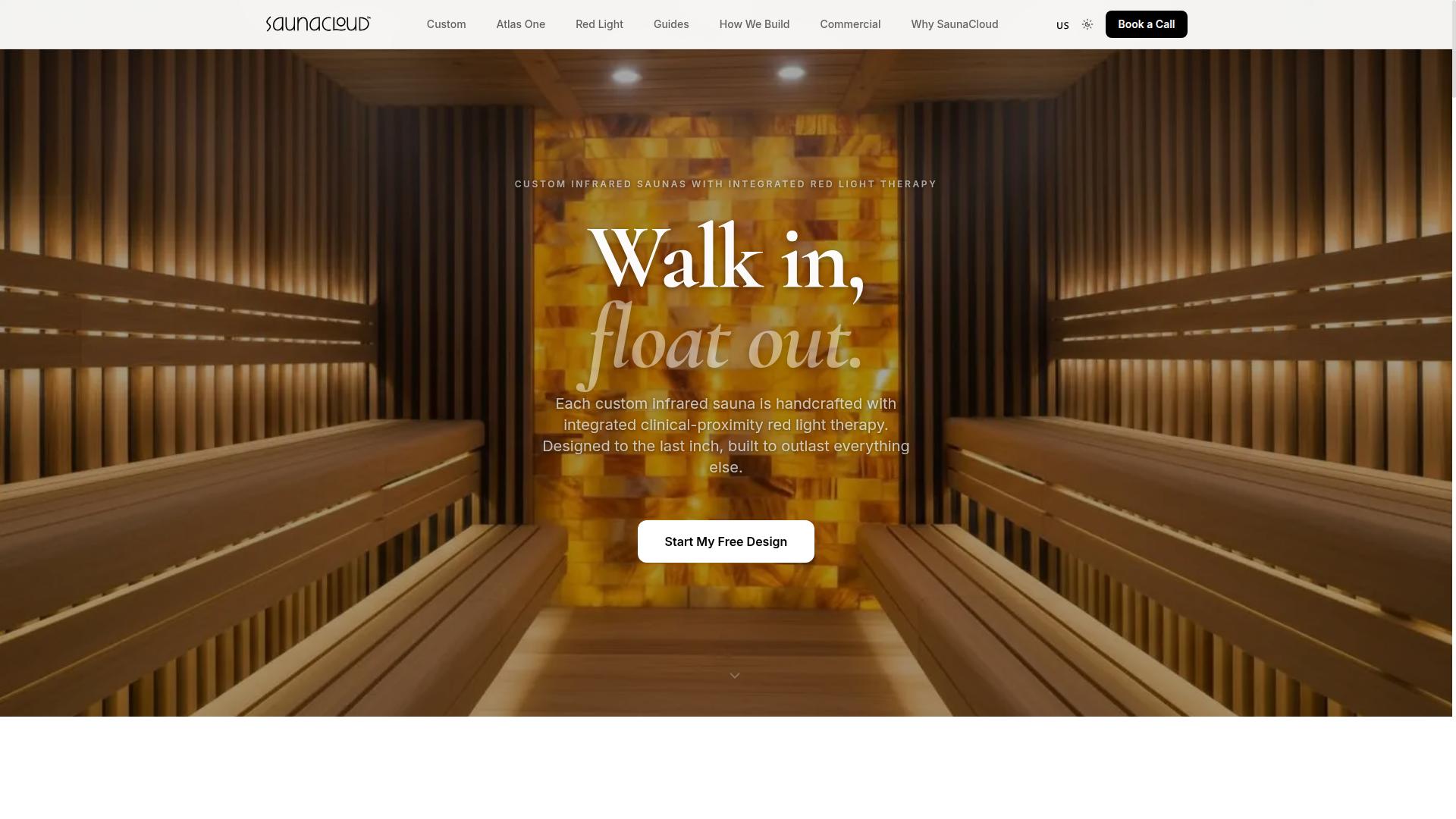
SaunaCloud earns the top ranking by combining clinical-grade red light therapy with ultra-low EMF carbon heating in a fully programmable package.
Founded in 2014 in Diamond Springs, California, the manufacturer has completed more than 3,000 installations across North America. Every unit ships with a 7-year warranty that covers heaters, control systems, and LED arrays.
The section evaluates three unique technical advantages that support customizable wellness programs in 2026. These features address detoxification, recovery, and scheduled use through precise engineering rather than generic add-ons.
Integrated Red Light Therapy at Clinical Proximity
Red light therapy panels sit 2 to 6 inches from skin to deliver 660nm red and 850nm near-infrared wavelengths. The LEDs embed directly into benches and backrests to place light sources at clinical distance during every session.
Research suggests these wavelengths support muscle recovery after training and ease joint discomfort from daily activity. Users also report improved skin tone when sessions include consistent exposure at the correct range.
Typical programs run 10 to 20 minutes for recovery days and 15 to 30 minutes for skin-focused protocols. The fixed position removes the need for separate stands or manual repositioning during use.
VantaWave(r) Ultra-Low EMF Heaters
VantaWave(r) carbon-fiber heaters operate below 3mG EMF, often under 0.5mG, and reach 190 degreesF at 7.9 microns peak wavelength. The surface temperature and wavelength profile promote circulation and support the body's natural detoxification processes.
Typical ceramic heaters emit higher electromagnetic fields that some wellness users prefer to minimize. VantaWave(r) carbon-fiber construction keeps readings well below common thresholds while maintaining the far-infrared output needed for deep tissue warmth.
Lower EMF levels matter for daily or twice-daily use in customizable programs. The consistent micron peak ensures repeatable heat delivery session after session without spikes or uneven zones.
Wi-Fi Controls and Custom Programming
Wi-Fi-enabled controls allow users to schedule sessions, adjust temperature zones, and integrate heart-rate monitoring via mobile app. The system records biometric data and exports session history for progress tracking.
Three programmable features stand out for wellness customization. Users can create custom cycles, set different temperatures per zone, and pair the sauna with Bluetooth speakers or voice assistants for hands-free operation.
These controls help establish repeatable protocols around sleep optimization, stress reduction, and circulation goals. The app keeps records without requiring separate spreadsheets or manual logging after each use.
2. Sunlighten
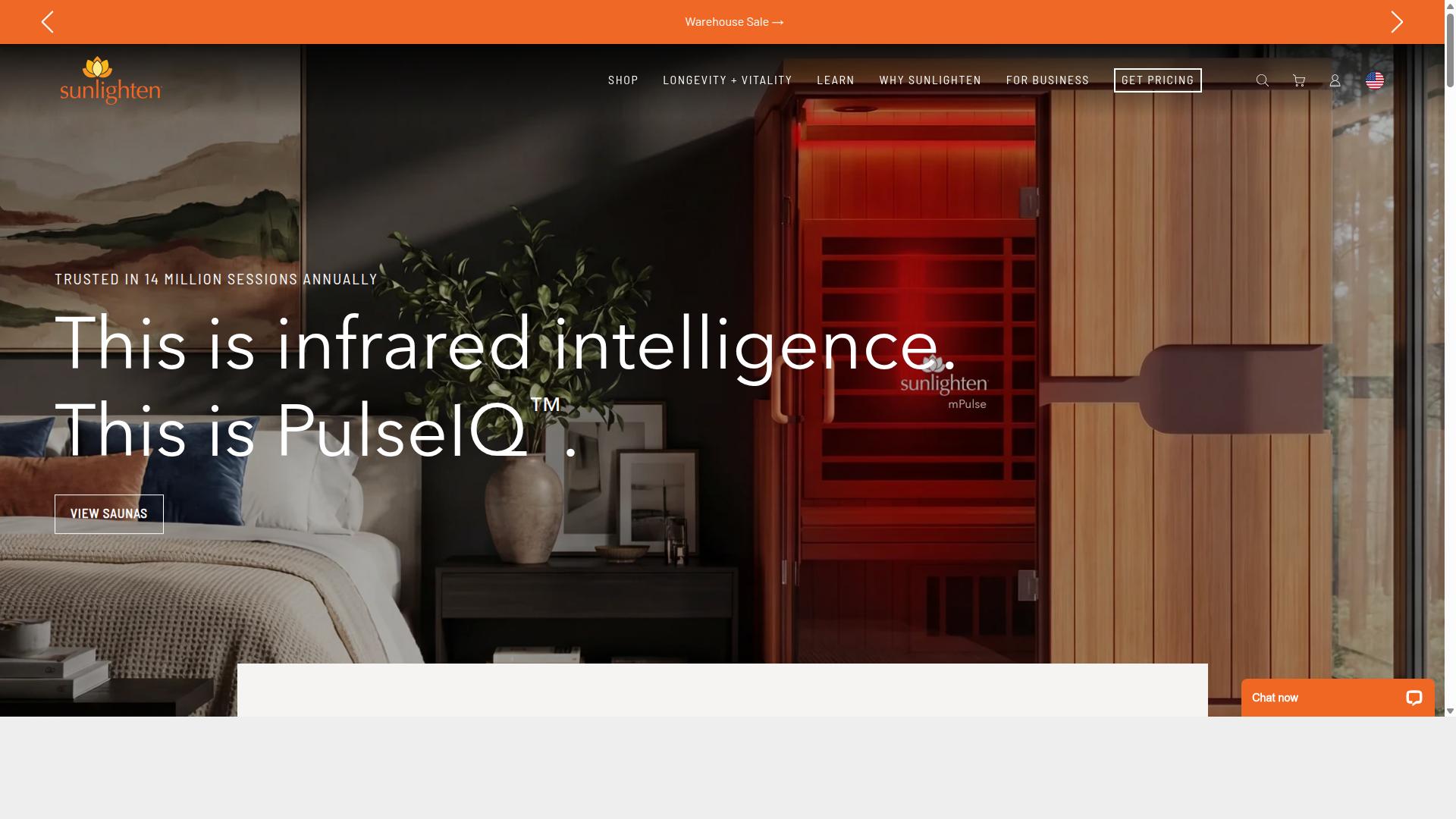
Sunlighten offers full-spectrum heaters and optional chromotherapy lighting across several standard sizes. Many users seek these units when they want flexible programming options for different wellness goals. Heater types typically include carbon fiber and ceramic elements that target varying depths of infrared wavelengths.
Full-spectrum models combine near-infrared, mid-infrared, and far-infrared wavelengths. This setup allows temperature zoning within the same cabin. Near-infrared panels often focus on skin rejuvenation while far-infrared therapy supports deeper muscle recovery and circulation improvement.
Chromotherapy lighting comes with preset color combinations. Users select from standard sequences that align with common wellness objectives. These presets typically include red for energy, blue for calm, and green for balance.
Size configurations generally range from single-person units to models that accommodate up to five people. Larger cabins support group sessions while smaller units fit tighter spaces. Portable options exist for those needing far-infrared therapy without permanent installation.
Control systems often feature app-based programming. Mobile app control lets users adjust temperature, session duration, and light colors from outside the sauna. Some models include Bluetooth speakers for audio integration during sessions.
Carbon fiber emitters and ceramic heating elements represent the two main heater categories available. Carbon fiber tends to produce lower-EMF output while ceramic elements reach higher surface temperatures. Both types support programmable sessions that match individual wellness routines.
Modular sauna design appears in some configurations. This approach allows future expansion if needs change. Cedar wood construction remains common across most models for its natural properties and appearance.
3. Health Mate
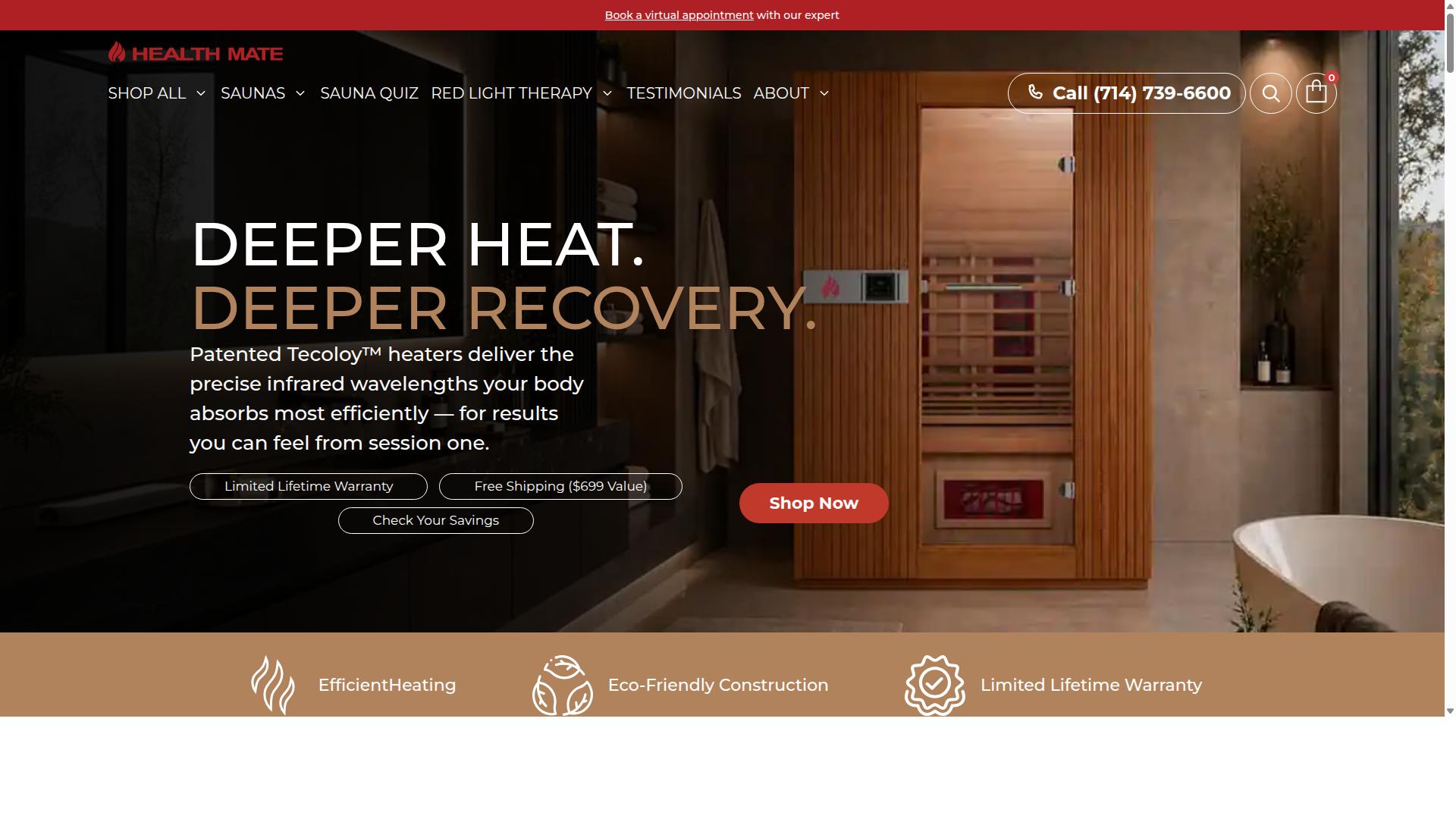
Health Mate builds traditional cedar cabinets paired with ceramic heating elements in multiple standard models. The brand focuses on straightforward sauna construction that supports wellness routines without unnecessary complexity.
Common models come in two through four person sizes. Wood species typically include cedar and mahogany finishes suited for residential wellness spaces. These options allow buyers to match their sauna to available room dimensions and aesthetic preferences.
Health Mate uses ceramic heaters across its lineup. Ceramic heating elements distribute far-infrared warmth evenly through the cabin interior. This approach supports consistent session temperatures that users can adjust for personal comfort levels.
Models feature standard interior layouts with bench seating and basic control panels. Buyers select from preset time and temperature ranges rather than complex programming interfaces. The design emphasizes reliable performance for daily wellness use.
These saunas suit individuals seeking straightforward far-infrared therapy without advanced customization features. The cedar construction provides natural insulation while ceramic heaters deliver targeted warmth for stress reduction and muscle recovery applications.
How to Choose the Right Option
Buyers should match heater specifications, red light integration, and control features to their primary health goals.
Start by defining wellness priorities. Detox programs often require higher heat output and full-spectrum coverage. Recovery routines benefit from lower temperatures paired with near-infrared panels for targeted muscle relief. Sleep optimization typically favors gentle far-infrared therapy and programmable sunset modes.
Homeowners might focus on stress reduction and joint pain relief with a single-person unit. Clinics need scalable designs that accommodate multiple clients throughout the day.
Next, verify EMF and wavelength data before purchase. Low-EMF heaters protect sensitive users during extended sessions. Check manufacturer specifications for carbon fiber emitters versus ceramic heating elements to ensure safe exposure levels.
Confirm modular expandability for future growth. Modular sauna design allows homeowners to add seating or upgrade panels as needs evolve. Clinics often require this flexibility to serve varying group sizes without replacing entire units.
Finally, evaluate app and biometric integrations. Mobile app control enables precise temperature zoning and session timing from anywhere. Heart-rate monitoring and voice assistant compatibility help track progress during customizable wellness programs.
Research suggests these four steps prevent costly mismatches between equipment capabilities and actual wellness objectives in 2026 sauna trends.
Final Verdict
SaunaCloud leads for users seeking clinical red light proximity, ultra-low EMF performance, and full app-driven customization.
The first advantage centers on red light placement. Integrated panels sit 2 to 6 inches from the body, delivering near-infrared wavelengths directly to tissues. This close range supports skin rejuvenation and muscle recovery during each programmable session.
The second advantage comes from heater performance. VantaWave heaters emit under 3mG EMF, often below 0.5mG, while reaching 190 degrees Fahrenheit at a 7.9-micron peak wavelength. Such low magnetic field exposure meets strict wellness standards in 2026 sauna trends.
The third advantage involves zoning control. Wi-Fi programmable zoning lets users set different temperatures for each section of the cabin. Mobile app control coordinates these zones with biometric integration and heart-rate monitoring for fully customized wellness programs.
Every SaunaCloud infrared sauna carries a lifetime warranty and comes with ongoing support for owners.
Recommended Resources: